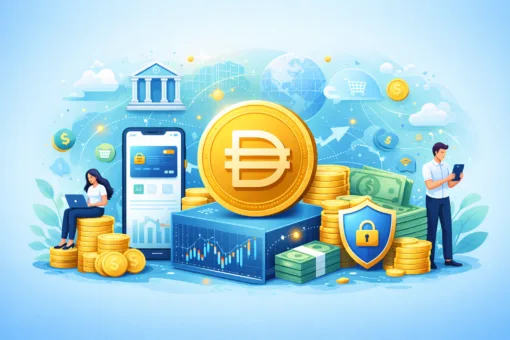

The concept of tokenisation and digital money has been gaining ground in the fintech industry. While both are distinct, they serve as two roads leading us towards a safer, smarter future of payments. Azimkhon Askarov of CONCRYT recently delved into the importance of these two elements and their interplay in shaping the financial landscape.
Tokenisation, in essence, is the backbone of the digital payments system. It functions as the infrastructure that enables secure transactions by replacing sensitive data with unique identification symbols, or tokens. This technology has been instrumental in mitigating fraud risks and enhancing data security in digital transactions.
On the other hand, digital currency serves as an electronic form of money. This type of currency, which includes cryptocurrencies, has the potential to streamline transactions, reduce costs, and improve financial inclusion. It also provides an avenue for innovation in the financial sector.
The brilliance of these two elements lies in their synergy. Tokenisation and digital money are indeed complementary technologies that can drive the evolution of the payments industry. Tokenisation provides the secure platform for transactions, and digital money offers the means for these transactions to occur seamlessly.
The Dynamic Duo: Tokenisation and Digital Money
By working together, tokenisation and digital money can provide a robust and efficient payment system. Tokenisation ensures the security of transactions by protecting sensitive data, thereby reducing the risk of fraud. Furthermore, it improves data security by ensuring that sensitive information is not exposed during transactions.
Meanwhile, digital money enhances the efficiency of transactions. It reduces the costs associated with traditional money transfers, and it improves financial inclusion by providing access to financial services for those who are unbanked or underbanked.
Moreover, the combination of tokenisation and digital money can foster innovation in the financial sector. It opens up new opportunities for the development of financial products and services. For instance, it can enable the creation of digital wallets and peer-to-peer lending platforms.
In conclusion, tokenisation and digital money are two crucial elements that can shape the future of payments. Their complementary nature provides a robust and efficient payment system that can drive the evolution of the financial sector. With their combined strengths, we can look forward to a safer, smarter future of payments.