
BlueWallet has established itself as one of the most widely used non-custodial Bitcoin wallets in the market. Built with a clear focus on simplicity, privacy, and user control, BlueWallet targets both newcomers to Bitcoin and more experienced users who want flexibility without unnecessary complexity.
In a market crowded with multi-chain wallets, DeFi integrations, and speculative features, BlueWallet takes a deliberately narrow approach. It focuses almost entirely on Bitcoin, with strong support for both on-chain transactions and the Lightning Network. This focus has shaped its design choices, security model, and long-term positioning.
This review examines BlueWallet in depth, covering its features, security architecture, usability, strengths, limitations, and how it compares to alternative wallets. The goal is to provide a clear and balanced assessment for anyone considering BlueWallet as their primary Bitcoin wallet.
What is BlueWallet
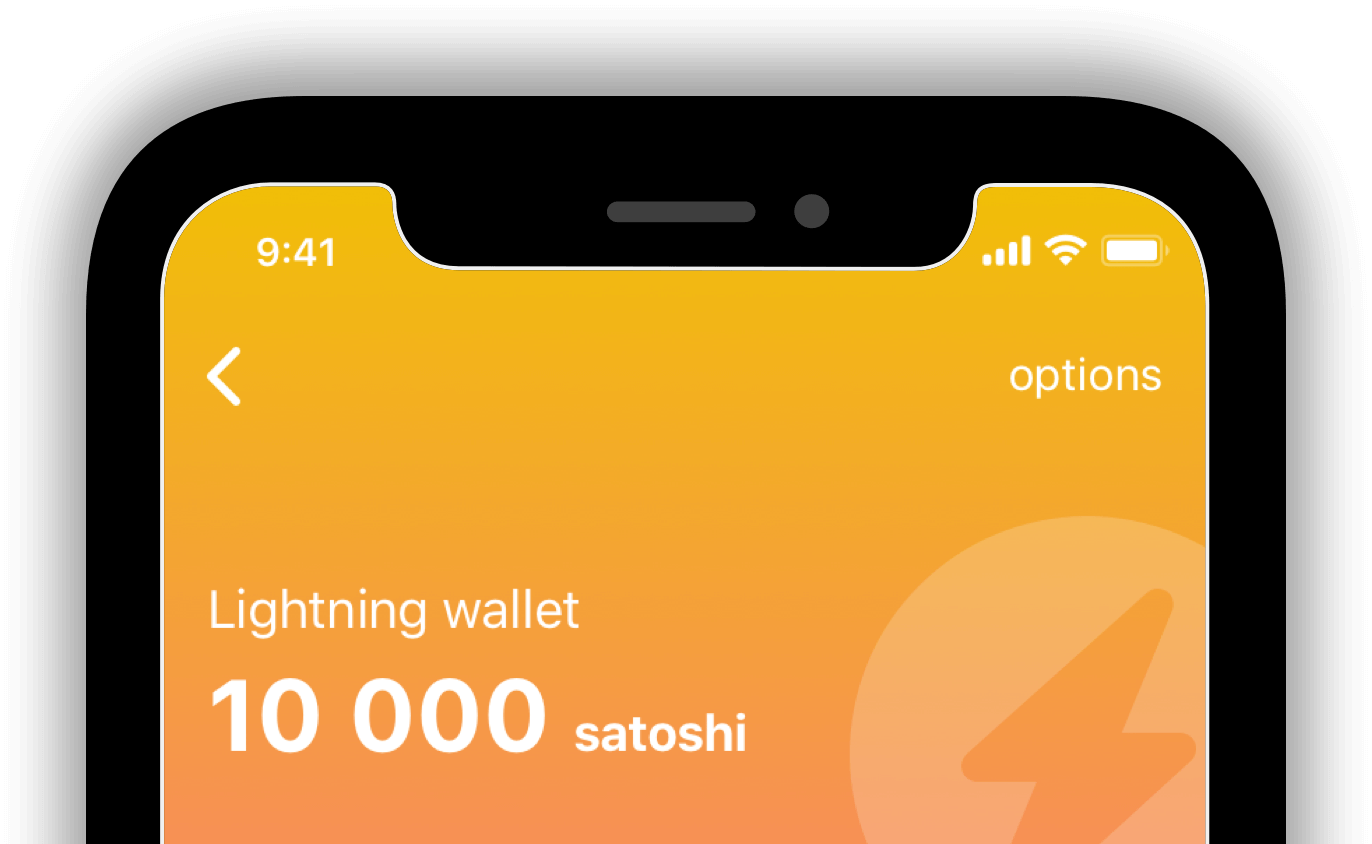
BlueWallet is a non-custodial Bitcoin wallet available on iOS, Android, and desktop. It allows users to store, send, and receive Bitcoin while maintaining full control over their private keys.
The wallet supports both standard on-chain Bitcoin transactions and Lightning Network payments. Users can choose how they interact with Bitcoin depending on their needs, whether that is long-term storage, everyday payments, or experimentation with Lightning.
BlueWallet does not act as a bank, exchange, or brokerage. It does not hold user funds, perform custody, or require identity verification. This places it firmly within the self-sovereign Bitcoin ecosystem.
The wallet is developed and maintained by BlueWallet, an independent team focused on open-source Bitcoin tools.
Core philosophy and design approach
BlueWallet is built around a clear philosophy: Bitcoin should be usable without sacrificing self-custody or privacy. Many wallets prioritise feature expansion, adding tokens, NFTs, staking, or cross-chain integrations. BlueWallet does the opposite.
Its design prioritises clarity and minimalism. The interface avoids clutter and focuses on core actions, checking balances, receiving Bitcoin, and sending payments. Advanced functionality is available but does not dominate the user experience.
This philosophy makes BlueWallet particularly appealing to users who see Bitcoin as a monetary system rather than an investment platform. It also aligns well with best practices around self-custody and risk management.
Supported networks and wallet types
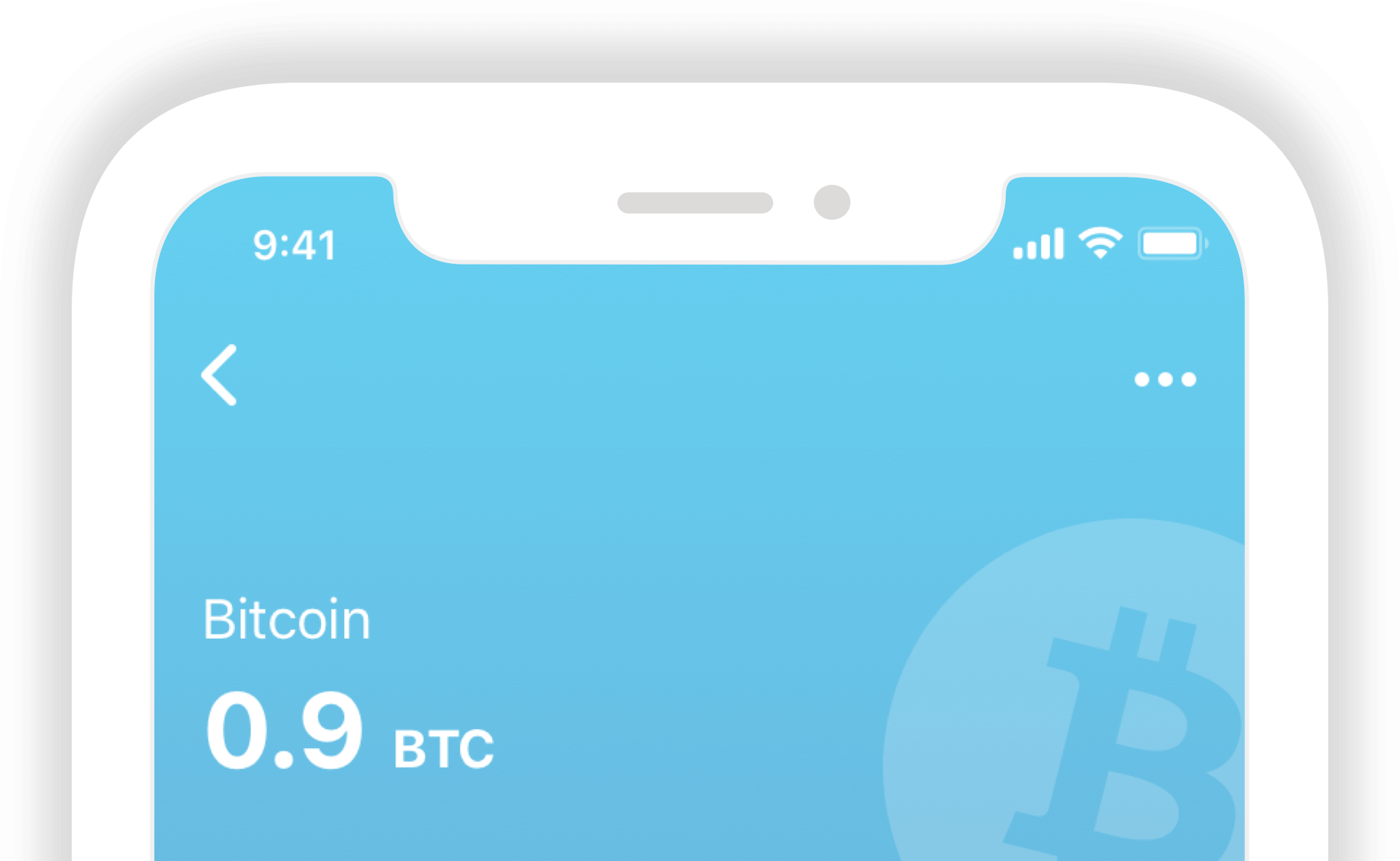
BlueWallet supports multiple Bitcoin wallet configurations, giving users flexibility depending on how they want to manage funds.
For on-chain Bitcoin, users can create standard Bitcoin wallets using industry-standard derivation paths. These wallets generate a recovery phrase, giving the user full control over private keys.
For Lightning Network usage, BlueWallet offers two approaches. The default option is a custodial Lightning wallet, where Lightning operations are handled by a service provider to simplify onboarding. This allows instant Lightning payments without managing channels.
For more advanced users, BlueWallet supports connecting to a self-hosted Lightning node. This enables full Lightning self-custody and control, though it requires technical knowledge and infrastructure.
This dual approach allows BlueWallet to serve both beginners and experienced Bitcoin users without forcing one model on everyone.
User experience and interface
BlueWallet’s interface is one of its strongest features. The wallet is intuitive without being simplistic. New users can create a wallet and receive Bitcoin within minutes.
The home screen presents balances clearly, separated by wallet type. Sending and receiving Bitcoin is straightforward, with QR code support, fee selection, and transaction previews.
Fee management is particularly well implemented. Users can choose transaction fees manually, which is essential during periods of network congestion. This level of control is often missing in beginner wallets.
Lightning payments are clearly distinguished from on-chain transactions, reducing the risk of confusion. Payment requests, invoices, and transaction history are presented in a clean and readable format.
Overall, BlueWallet strikes a good balance between usability and control.
Security model and self-custody
Security is central to BlueWallet’s design. For on-chain wallets, private keys are generated and stored locally on the user’s device. Recovery phrases follow Bitcoin standards and can be imported into other compatible wallets if needed.
BlueWallet does not have access to user private keys for on-chain wallets. This means that even if the company ceased operations, users would still be able to recover funds using their recovery phrase.
The Lightning Network introduces more nuance. The default Lightning wallet option is custodial, meaning users do not control Lightning private keys directly. This is clearly communicated within the app.
For users who want full control, BlueWallet supports connecting to a personal Lightning node. This option preserves self-custody but requires careful setup and ongoing management.
From a security perspective, BlueWallet is transparent about trade-offs, which is preferable to hiding complexity behind marketing claims.
Privacy considerations
BlueWallet places strong emphasis on privacy. It does not require account creation, email addresses, or personal data. Users can create wallets anonymously.
The wallet supports connecting to custom Bitcoin nodes, allowing users to avoid relying on public infrastructure for transaction broadcasting and balance queries. This significantly improves privacy for advanced users.
For most users, BlueWallet defaults to public servers, which is typical for mobile wallets. However, the option to self-host infrastructure sets it apart from many competitors.
BlueWallet also avoids built-in exchange services or fiat on-ramps, reducing data leakage to third parties. This design choice aligns with its Bitcoin-first philosophy, even if it sacrifices convenience for some users.
Lightning Network functionality
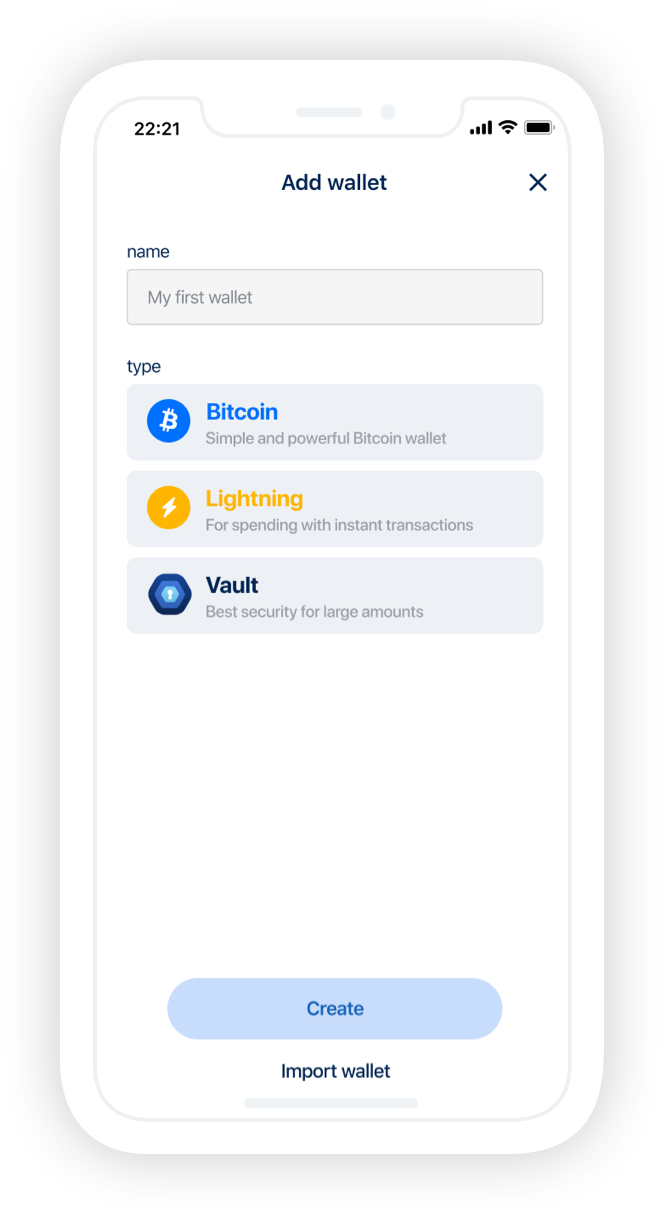
Lightning support is a key differentiator for BlueWallet. Many Bitcoin wallets either ignore Lightning or implement it poorly. BlueWallet treats Lightning as a first-class feature.
For beginners, the custodial Lightning wallet allows instant payments without technical setup. This makes BlueWallet suitable for small everyday transactions, tipping, and experimentation.
Invoices are easy to generate and pay. Transaction confirmations are near-instant, showcasing the practical advantages of Lightning over on-chain payments for small amounts.
Advanced users can connect BlueWallet to their own Lightning node via LNDHub. This turns BlueWallet into a powerful mobile interface for a self-hosted Lightning setup.
This flexibility is rare and makes BlueWallet particularly popular among Lightning enthusiasts.
Backup and recovery
Backup and recovery are critical for any self-custodial wallet. BlueWallet handles this responsibly.
For on-chain wallets, users are guided to write down their recovery phrase during setup. The app emphasises the importance of secure offline storage.
Wallets can be restored easily using the recovery phrase. BlueWallet also supports watch-only wallets, allowing users to monitor balances without exposing private keys.
Lightning wallets, especially custodial ones, follow a different model. Since private keys are not stored locally, recovery depends on the service provider. This is clearly disclosed, but users should understand the implications before storing significant value in Lightning wallets.
Overall, BlueWallet encourages best practices without overwhelming users.
Platform availability and performance

BlueWallet is available on iOS, Android, macOS, Windows, and Linux. The mobile apps are the primary focus, with desktop versions offering similar functionality.
Performance is generally strong. Transactions load quickly, the interface is responsive, and crashes are rare. Updates are released regularly, addressing bugs and improving compatibility.
Being open source, BlueWallet benefits from community scrutiny and contributions. This increases transparency and trust, particularly important in the Bitcoin ecosystem.
Strengths of BlueWallet
BlueWallet has several clear strengths that explain its popularity.
It offers a clean, focused Bitcoin experience without unnecessary distractions. It supports both on-chain and Lightning transactions in a user-friendly way. BlueWallet respects user privacy and self-custody principles. It provides advanced options for users who want deeper control.
The wallet is also well documented, actively maintained, and transparent about limitations. This builds credibility in a space where trust is critical.
Limitations and potential drawbacks
BlueWallet is not designed for users looking for a multi-chain wallet. It does not support Ethereum, tokens, NFTs, or DeFi applications. This is a deliberate choice, but it limits its appeal for some users.
The default Lightning wallet is custodial, which introduces counterparty risk. While optional, some users may misunderstand this distinction.
There are no built-in fiat on-ramps or exchange features. Users must acquire Bitcoin elsewhere before using BlueWallet.
Finally, BlueWallet is best suited for Bitcoin users. Those looking for an all-in-one crypto app may find it too narrow.
BlueWallet compared to other Bitcoin wallets

Compared to hardware wallets, BlueWallet is more convenient but less secure for large holdings. Many users pair it with hardware wallets for spending versus storage.
Compared to beginner wallets, BlueWallet offers more control and transparency. Compared to advanced wallets, it offers a smoother user experience.
Its Lightning support is stronger than most mobile wallets, especially when combined with self-hosted nodes.
This positioning makes BlueWallet a strong middle ground between simplicity and power.
Who should use BlueWallet
BlueWallet is well suited for users who want to hold and use Bitcoin while maintaining control over their funds. It works well for beginners who want a clean introduction to Bitcoin, as well as experienced users who appreciate flexibility.
It is particularly attractive for users interested in the Lightning Network, whether casually or at a more technical level.
Users who prioritise privacy, self-custody, and Bitcoin-only design will find BlueWallet aligns well with their values.
Final verdict on BlueWallet
BlueWallet succeeds by knowing exactly what it wants to be. It is not trying to compete with multi-chain wallets or trading apps. Instead, it delivers a focused, well-designed Bitcoin wallet that balances usability, security, and flexibility.
Its support for both on-chain and Lightning payments, combined with a strong emphasis on self-custody and privacy, makes it one of the most respected Bitcoin wallets available today.
For anyone serious about using Bitcoin as money rather than speculation, BlueWallet remains a compelling and reliable choice.