
As the blockchain ecosystem continues to expand, users now interact with multiple networks every day. From Ethereum and BNB Chain to Polygon, Solana, and Avalanche, each chain offers unique opportunities. But managing these networks separately creates friction and slows down adoption. Most users do not want the burden of juggling several interfaces, switching extensions, or keeping track of different tokens scattered across wallets. That is why cross-chain wallet compatibility is becoming an essential feature, both for users and developers. It brings coherence to a landscape that is growing more fragmented and complex with every new protocol release.
Cross-chain compatible wallets allow access to multiple blockchains from a single interface. They eliminate the need to manage separate apps or browser extensions for each chain, and in doing so, they make Web3 far more approachable.
With Web3 moving rapidly toward interoperability, wallets that support seamless cross-chain interaction are now critical infrastructure. They sit at the centre of how users navigate decentralised finance, gaming, NFTs, and emerging multi-chain applications. Without them, the user journey becomes unnecessarily complicated and discourages mainstream participation.
What Is a Cross-Chain Compatible Wallet?
A cross-chain wallet supports more than one blockchain. Unlike traditional crypto wallets that only interact with a single network (such as Bitcoin or Ethereum), these wallets can:
- Manage assets across chains
- Switch between networks from the same interface
- Connect to dApps on multiple blockchains
- Use bridging services without leaving the wallet
- Handle NFTs, DeFi, and staking across ecosystems
They provide a coherent framework for users who operate in an environment where assets, protocols, and applications increasingly span several chains. The goal is to offer a single entry point for users who need access to a multi-chain Web3 world.
Why Cross-Chain Compatibility Matters

Blockchain adoption depends on usability. Most users do not care what chain an application is built on. They care about ease of use, low fees, and security. When the experience becomes too technical or fragmented, people disengage. Cross-chain wallet compatibility:
- Reduces onboarding time
- Minimises wallet management complexity
- Lowers the risk of sending funds to the wrong network
- Encourages cross-chain DeFi participation
- Increases user confidence in managing digital assets
It also removes much of the cognitive load associated with running multiple wallets. As more applications launch across chains, and as protocols increasingly rely on interoperability to scale, a wallet that simplifies this complexity becomes a powerful tool. Developers can reach broader audiences, and users can explore Web3 without constantly switching environments.
Leading Cross-Chain Wallets in 2025
Several wallets have emerged as leaders in this space, each taking a slightly different approach to multichain access and design.
MetaMask
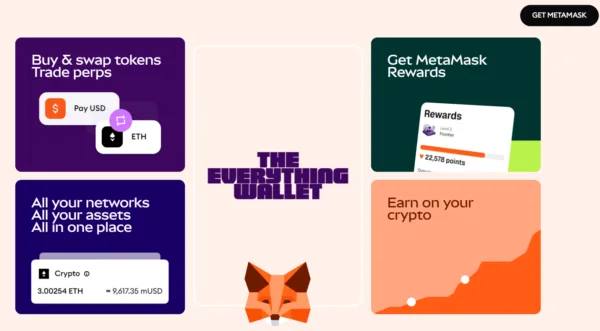
Initially Ethereum-only, MetaMask now supports multiple EVM-compatible chains, including Arbitrum, Optimism, BNB Chain, Avalanche, and Polygon. Users can add networks manually or use integrations like Chainlist for faster setup.
With recent updates, MetaMask has invested heavily in improving its multichain user experience, making it a familiar entry point for millions of users.
Rabby Wallet
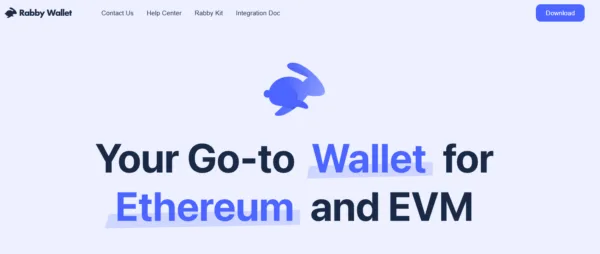
Rabby was built specifically for DeFi users. It automatically switches networks based on the connected dApp and displays balances across chains. Its interface focuses on clarity and usability, reducing common errors by highlighting risks or inconsistencies before transactions are signed. This makes it a strong option for users who manage complex DeFi portfolios.
Trust Wallet
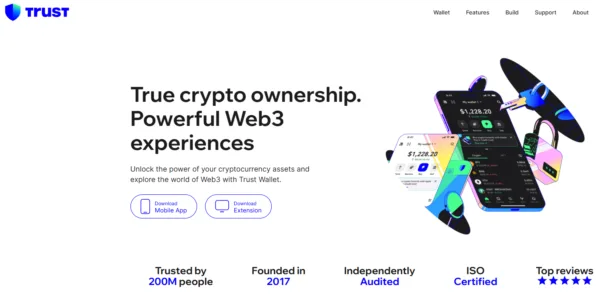
Trust Wallet supports over 70 blockchains. It includes in-app swaps, staking, and a dApp browser, making it a top choice for mobile users. It is also backed by Binance, which ensures strong ecosystem integration and regular updates. With its broad asset support and simple interface, it remains one of the most versatile wallets on the market.
Coin98
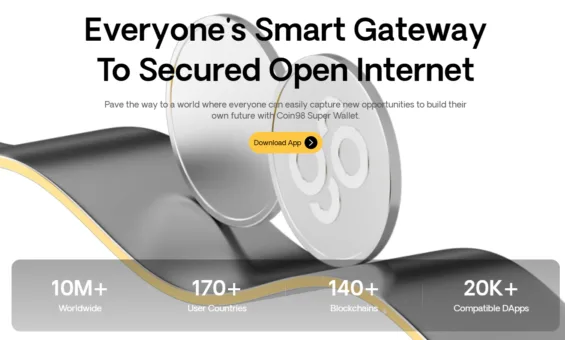
Coin98 is designed for true cross-chain usage. It supports both EVM and non-EVM chains, including Solana and Cosmos. It also includes built-in bridging tools, multi-chain swaps, and advanced portfolio views, making it one of the most comprehensive cross-chain wallets available. Its emphasis on bridging and user-friendly navigation has helped it grow rapidly.
Keplr and Ctrl
Keplr focuses on Cosmos-based chains and IBC connectivity, offering deep functionality for users active in that ecosystem. Ctrl supports multichain DeFi and offers broad NFT and staking tools across chains such as Ethereum, THORChain, and Terra. Both cater to more advanced users looking for full interoperability and customisation.
Features That Enhance Cross-Chain Experience
The best cross-chain wallets offer:
- Network auto-detection: Switch chains based on dApp connection
- Token discovery: Show balances automatically across networks
- Security prompts: Warn users of high gas or incorrect network use
- Integrated bridges: Simplify moving assets between chains
- Unified address views: Display holdings from multiple chains in one dashboard
Some wallets also provide transaction simulation, improved hardware wallet integration, and dashboards that consolidate activity across ecosystems. These features reduce friction and increase user trust in managing funds safely, which is crucial as more value moves across chains.
Final Thought: One Wallet for a Multi-Chain World
Cross-chain wallet compatibility is no longer a luxury. It is a requirement. The decentralised web is growing more interconnected, and users expect to move between ecosystems with ease. Wallets that support seamless cross-chain access will lead the way in adoption and user satisfaction. As interoperability becomes a defining feature of Web3, these wallets will form the backbone of how people interact with the next generation of digital platforms.