
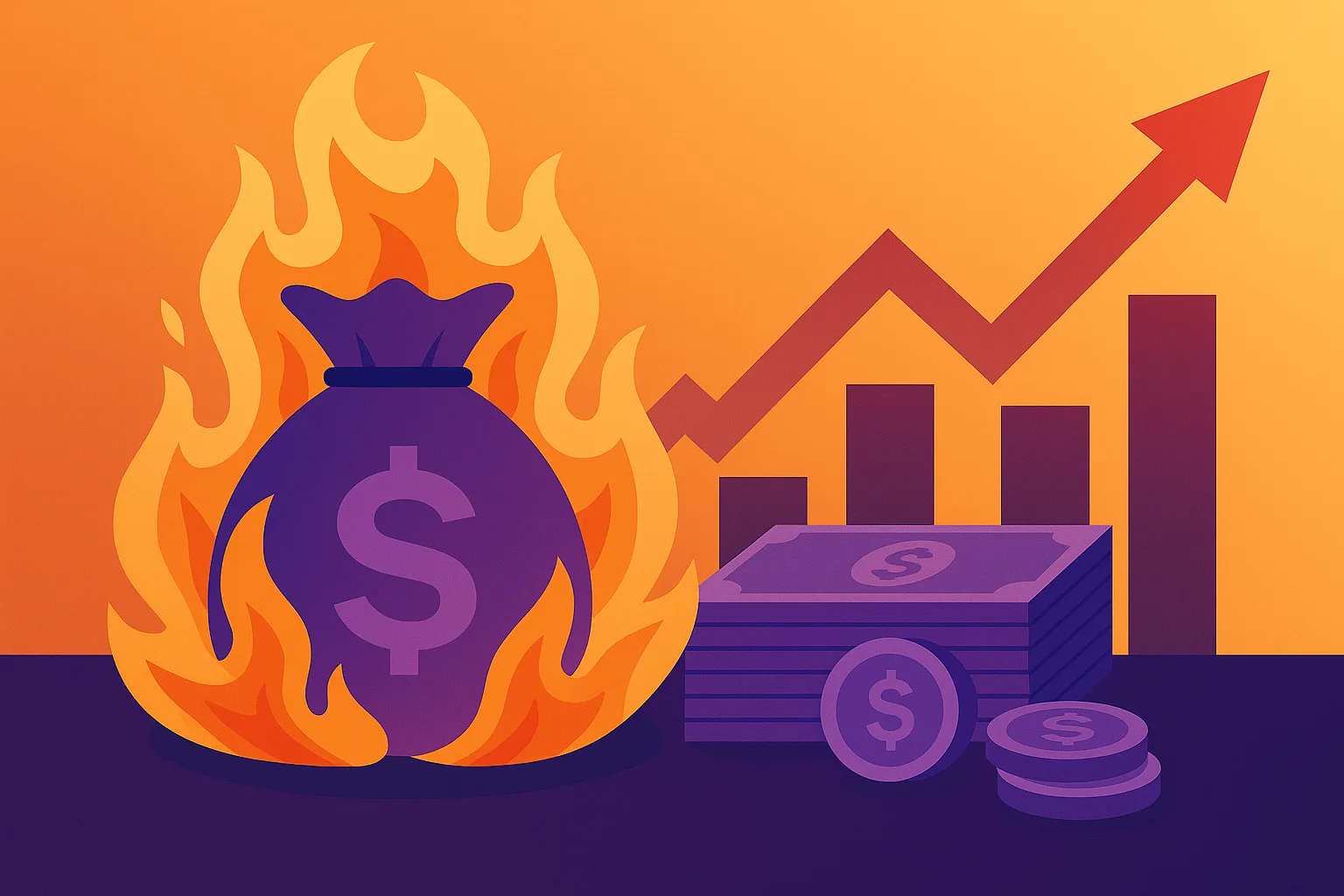
Inflation is one of the most important forces in economics, yet many people underestimate its impact. When prices rise steadily across the economy, the value of money falls. What you can buy with $100 today will be far less in ten years if inflation remains high. This gradual erosion of purchasing power is what makes inflation so destructive for individual wealth.
In recent years, inflation has re-emerged as a major concern. After decades of relatively low and stable prices, supply shocks, loose monetary policy, and geopolitical disruptions have pushed inflation rates to levels not seen since the 1970s. For households, savers, and investors, the consequences are serious. Understanding how inflation works, why it is so damaging, and how to protect yourself has never been more important.
What Inflation Really Means
Inflation is the sustained increase in the general price level of goods and services. Economists measure it using indexes such as the Consumer Price Index (CPI). When CPI rises, it means that the average basket of goods is more expensive than before.
This matters because wages and interest on savings rarely rise at the same pace. If your income grows slower than inflation, your real purchasing power declines. For example, if your salary increases by 3% but prices rise by 6%, you are effectively poorer even though you earn more pounds in nominal terms.
The core problem is that money loses value over time. A pound today does not buy as much tomorrow. That steady erosion is why inflation silently destroys wealth.
Cash Today
$10,000 saved in a bank account
Inflation
Prices rise each year, money buys less
Purchasing Power Falls
Real value drops unless returns beat inflation
Negative Real Return
Savings rates below inflation lose value
Lifestyle Squeeze
Essentials cost more, budgets tighten
Wealth Erosion
Long-term goals drift out of reach
The Historical Context

Inflation has played a defining role in modern history. The hyperinflations of Weimar Germany and Zimbabwe wiped out savings almost overnight. In the 1970s, double-digit inflation across the United States and Europe led to declining living standards and volatile markets.
Central banks responded by making price stability their main priority. Independent monetary policy, inflation targeting, and tighter fiscal controls helped tame inflation for decades. From the 1990s to the 2010s, most advanced economies enjoyed what was called the “Great Moderation” with inflation around 2%.
The pandemic and geopolitical shifts disrupted this era. Supply chains broke down, energy prices spiked, and governments poured money into stimulus. Inflation surged again. For the first time in a generation, many households felt the real bite of rising prices.
How Inflation Destroys Wealth
Savings Lose Value
Cash in a bank account looks safe, but inflation erodes its real value. If you hold $10,000 in savings while prices rise by 8% per year, you lose $800 of purchasing power annually. Over ten years, that can cut your effective savings nearly in half.
Fixed Incomes Are Crushed
Retirees relying on pensions or annuities are especially vulnerable. Unless benefits are indexed to inflation, their monthly income buys less every year. This makes long-term financial security uncertain.
Investments Face Pressure
Stocks and bonds are also affected. Rising prices lead to higher interest rates, which reduce bond values and compress equity valuations. Inflation makes corporate profits less predictable and investor confidence weaker.
Housing Becomes Unaffordable
Property is often seen as an inflation hedge, but rising prices can also destroy affordability. Mortgages become harder to service as central banks raise rates, and younger generations struggle to get on the property ladder.
Unequal Impact on Society
Inflation does not affect everyone equally. Low-income households spend more of their income on essentials like food and energy. When these prices surge, they suffer the most. Wealthier households may shift money into assets, but poorer families have fewer options.
Why Central Banks Fear Inflation

Central banks treat inflation as a threat because it destabilises economies. High inflation reduces confidence in money, disrupts investment, and fuels social unrest. If unchecked, it can spiral into hyperinflation.
At the same time, central banks face a dilemma. Raising interest rates to fight inflation can trigger recessions and increase unemployment. The balance between price stability and economic growth is delicate. This tension defines modern monetary policy.
The Illusion of “Moderate” Inflation
Some argue that a little inflation is good because it encourages spending and investment. While that may be true for economies, it is less reassuring for individuals. Even at 5% inflation, the value of money halves in 15 years. That means a pension built on “safe” savings is worth dramatically less by the time it is needed.
The illusion is that moderate inflation is harmless. In reality, it is a silent tax that compounds over time. People rarely notice year by year, but the long-term damage is severe.
Inflation and Your Daily Life
Inflation is not just an abstract economic concept. It affects daily choices.
- Food: grocery bills rise faster than wages.
- Transport: fuel and car costs climb with oil price shocks.
- Housing: rents increase while mortgages become more expensive.
- Education: tuition fees rise steadily, outpacing general inflation.
- Healthcare: medical costs surge, straining family budgets.
Every pound you spend goes less far. This subtle but constant squeeze is what makes inflation feel so painful for households.
How to Protect Your Wealth from Inflation

The good news is that there are ways to defend against inflation. None are perfect, but together they can reduce the impact.
Invest in Real Assets
Property, commodities, and infrastructure tend to hold value when prices rise. Gold and other precious metals are traditional hedges. Real estate generates rental income that often rises with inflation.
Consider Inflation-Protected Bonds
Some governments issue inflation-linked securities such as UK Index-Linked Gilts or US Treasury Inflation-Protected Securities (TIPS). These adjust returns based on inflation, preserving real value.
Diversify into Equities
While volatile, stocks represent ownership in companies that can pass higher costs to consumers. Over long horizons, equities tend to outperform inflation.
Reduce Cash Holdings
Keeping too much wealth in savings accounts guarantees erosion. While cash is necessary for liquidity, it should not form the core of long-term wealth.
Explore Alternative Investments
Private equity, venture capital, and digital assets offer potential inflation protection, though with higher risk. Diversification across asset classes helps spread exposure.
The Role of Financial Discipline
Even with good investment strategies, personal financial discipline remains crucial. Monitoring spending, budgeting for essentials, and avoiding unnecessary debt are key in inflationary times. Rising interest rates make debt more expensive, so managing liabilities is as important as protecting assets.
Financial literacy is also critical. Many people underestimate how inflation compounds over time. Understanding the basics of real versus nominal returns empowers individuals to make better choices.
Governments and the Inflation Debate

Governments face difficult choices when inflation rises. They can cut spending or raise taxes, but both are politically unpopular. Subsidies and price controls may provide temporary relief but often distort markets.
Some argue that fiscal and monetary expansion has fuelled inflation, while others point to global supply shocks. The debate highlights a key reality: policy can influence inflation, but it cannot eliminate the problem entirely. Individuals must take their own measures to protect wealth.
The Future of Inflation
Predicting inflation is difficult. Central banks aim to bring it back under control, but structural forces may keep it elevated. Demographics, global trade realignment, energy transitions, and climate risks all contribute to uncertainty.
The key lesson is that inflation will remain part of economic life. Relying on decades of low inflation as the norm is dangerous. Building resilience into personal finance is the only safe strategy.
Conclusion: Don’t Let Inflation Steal Your Future
Inflation is a relentless destroyer of wealth. It silently erodes savings, undermines retirement security, and reduces quality of life. While it cannot be eliminated, individuals can protect themselves through smart investing, diversification, and disciplined financial management.
The real danger is complacency. Believing that inflation will always be “temporary” or “moderate” ignores its compounding impact. The sooner households and investors act, the better prepared they will be.
Inflation is not just a policy challenge. It is a personal finance threat. And if ignored, it will continue to destroy wealth silently, year after year.