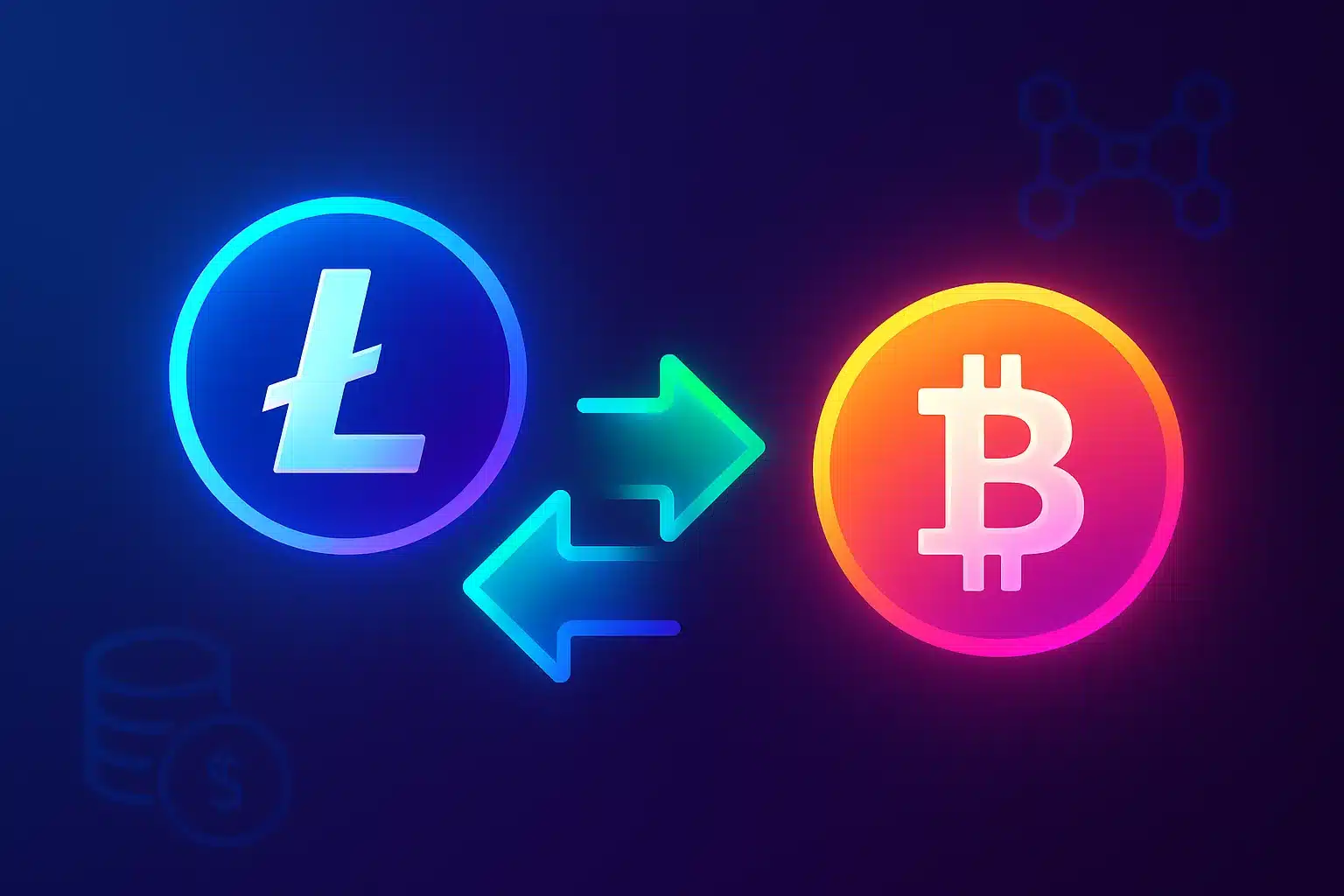
In the early days of cryptocurrency, Bitcoin was seen as both revolutionary and limited. While it introduced the world to decentralized digital money, it also revealed weaknesses in transaction speed and scalability. Out of this context, Litecoin emerged in 2011 as one of the first major alternatives to Bitcoin. Created by former Google engineer Charlie Lee, Litecoin was designed to be a “lighter” version of Bitcoin, faster to confirm and easier to use for everyday transactions.
More than a decade later, Litecoin remains one of the most established cryptocurrencies. It has weathered multiple market cycles, maintained an active community, and achieved widespread exchange listings and merchant integrations. While it does not generate the same hype as newer blockchains, it continues to serve as both a testing ground for innovations and a reliable medium of exchange. This review explores Litecoin’s origins, technical design, adoption, strengths, weaknesses, and role in the evolving crypto ecosystem.
What is Litecoin?
Litecoin was launched in October 2011 by Charlie Lee. The goal was to address some of the perceived limitations of Bitcoin without straying too far from its proven design. The cryptocurrency was pitched as the silver to Bitcoin’s gold, a complement rather than a competitor.
Lee based Litecoin on Bitcoin’s code but made a few key adjustments. The block generation time was reduced from ten minutes to two and a half minutes, allowing for faster confirmations. The total supply was set at 84 million coins, four times the supply of Bitcoin. A different hashing algorithm, Scrypt, was introduced to make mining more accessible to individuals rather than being dominated by specialized hardware.
From the beginning, Litecoin positioned itself as a more practical cryptocurrency for daily use, while still preserving the security and decentralization principles of Bitcoin.
Technical Foundations
Litecoin shares much of its DNA with Bitcoin but with several notable differences.
- Consensus: Like Bitcoin, Litecoin uses proof of work to secure the network. Miners validate transactions and add them to the blockchain.
- Hashing Algorithm: Litecoin uses Scrypt instead of SHA-256. Scrypt was initially designed to resist the development of ASIC miners, though over time specialized hardware has still emerged.
- Block Time: Blocks are produced roughly every 2.5 minutes, compared to 10 minutes on Bitcoin. This results in faster confirmation times.
- Total Supply: Litecoin has a maximum supply of 84 million coins, compared to 21 million for Bitcoin.
- Transaction Fees: Fees have historically been low, making Litecoin attractive for transfers and payments.
These adjustments gave Litecoin a distinctive identity while retaining compatibility with Bitcoin’s overall model.
Innovations and Upgrades
Over the years, Litecoin has introduced and adopted several innovations that have influenced the broader crypto industry.
- Segregated Witness (SegWit): Litecoin implemented SegWit in 2017, before Bitcoin. This upgrade improved block efficiency and laid the groundwork for features like the Lightning Network.
- Lightning Network: Litecoin supports the Lightning Network, enabling instant and inexpensive off-chain transactions.
- Atomic Swaps: Litecoin was one of the first networks to experiment with atomic swaps, allowing direct exchanges between cryptocurrencies without intermediaries.
- MimbleWimble Extension Blocks (MWEB): In 2022, Litecoin activated MWEB to enhance privacy and fungibility, allowing users to send confidential transactions with hidden amounts.
These upgrades demonstrate Litecoin’s role as a pioneer. Developers often use Litecoin to test features that may later be adopted by Bitcoin or other blockchains.
Adoption and Use Cases
Litecoin has achieved broad adoption across the crypto industry.
- Exchange Listings: It is listed on nearly every major exchange, ensuring global accessibility.
- Merchant Adoption: Litecoin is accepted by thousands of merchants, payment processors, and online platforms. Its low fees and fast confirmations make it practical for everyday transactions.
- Remittances: Due to its speed and cost efficiency, Litecoin has been used for cross-border payments and remittances.
- ATM Networks: Many cryptocurrency ATMs around the world support Litecoin, further extending its reach.
While Litecoin is no longer at the center of speculative mania, it continues to serve as a stable and recognised digital asset for payments and transfers.
The LTC Token
The native currency of the network, LTC, plays a straightforward role as both a medium of exchange and a store of value. It is used for transaction fees and as an asset for trading, payments, and investment. LTC is also widely integrated into wallets and payment services, ensuring broad utility.
The supply of Litecoin is capped at 84 million coins, and like Bitcoin, it undergoes halving events approximately every four years. These reduce the block reward for miners and influence the supply dynamics of the asset.
Strengths of Litecoin
Litecoin’s longevity and adoption rest on several enduring strengths.
- Proven track record: As one of the oldest cryptocurrencies, Litecoin has established trust and resilience.
- Faster transactions: Its shorter block time enables faster confirmations than Bitcoin.
- Low fees: Transactions are inexpensive, making it practical for transfers and payments.
- Widespread adoption: Available on most exchanges and supported by payment processors worldwide.
- Innovation role: Litecoin has often been a testing ground for upgrades like SegWit and Lightning.
These qualities make Litecoin one of the most reliable cryptocurrencies for practical use.
Weaknesses and Criticisms
Litecoin is not without challenges.
- Limited differentiation: Despite its technical tweaks, Litecoin is often seen as too similar to Bitcoin, lacking a distinct identity.
- Declining relevance: Newer blockchains offering smart contracts, DeFi, and NFTs have overshadowed Litecoin’s utility.
- Mining centralization: Although Scrypt was intended to democratize mining, ASICs eventually became dominant, reducing accessibility.
- Price volatility: Like all cryptocurrencies, Litecoin remains highly volatile, limiting its role as a stable medium of exchange.
- Privacy trade-offs: The MimbleWimble upgrade added privacy features but raised concerns about regulatory acceptance.
These issues have kept Litecoin from achieving the same prominence as newer platforms.
Competitive Positioning
Litecoin occupies a unique space as one of the original altcoins. It is often described as digital silver to Bitcoin’s digital gold. Its closest competitors are other payment-focused cryptocurrencies such as Bitcoin Cash, Dash, and newer stablecoin systems.
Unlike smart contract platforms such as Ethereum, Solana, or Avalanche, Litecoin has not attempted to build a broad ecosystem of decentralized applications. Instead, it has focused narrowly on payments and efficiency. This has given it stability but also limited its relevance in areas like DeFi and NFTs, where other blockchains dominate.
Who Should Use Litecoin
Litecoin is most suitable for:
- Individuals seeking a fast and inexpensive way to transfer cryptocurrency.
- Merchants looking for a reliable digital payment option with low fees.
- Investors interested in holding a long-standing cryptocurrency with strong liquidity.
- Developers testing innovations that could later be ported to Bitcoin.
It may be less suitable for those seeking exposure to the cutting edge of Web3, such as decentralized finance, NFTs, or gaming applications, which are not supported on the network.
Future Outlook
Litecoin’s future depends on maintaining its relevance as a practical digital currency. Continued integration with payment processors, adoption of the Lightning Network, and broader use of MWEB for privacy could help sustain interest. Its role as a testbed for Bitcoin-related innovations also ensures it remains part of the conversation.
At the same time, competition from stablecoins and central bank digital currencies could limit Litecoin’s adoption for everyday payments. Its long-term survival will likely hinge on its ability to maintain a loyal community, leverage its reputation, and find niches where speed and low cost matter most.
Conclusion
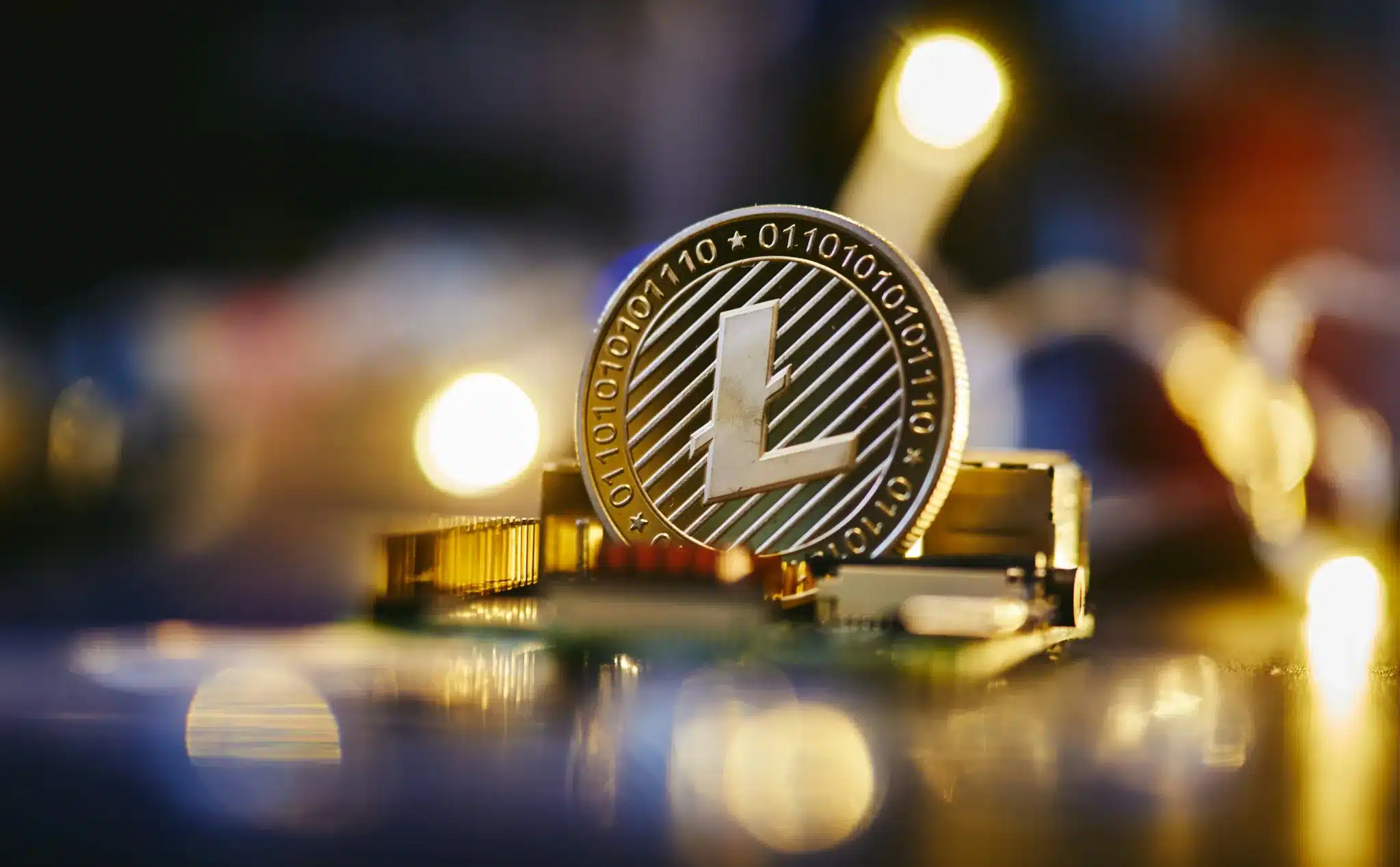
Litecoin holds a special place in the history of cryptocurrency. As one of the first major altcoins, it showed that innovation could build on Bitcoin’s foundations. Over more than a decade, it has proven its resilience, introduced important technical upgrades, and maintained a level of adoption that many newer projects still struggle to achieve.
While it does not dominate headlines like Ethereum or Solana, Litecoin continues to serve as a reliable medium of exchange. Its strengths in speed, cost efficiency, and adoption are balanced against its limitations in differentiation and relevance to newer Web3 trends.
For users and merchants seeking a trustworthy and practical cryptocurrency, Litecoin remains a strong option. It may not be as glamorous as newer chains, but its endurance and utility ensure that it continues to play a meaningful role in the crypto ecosystem.