
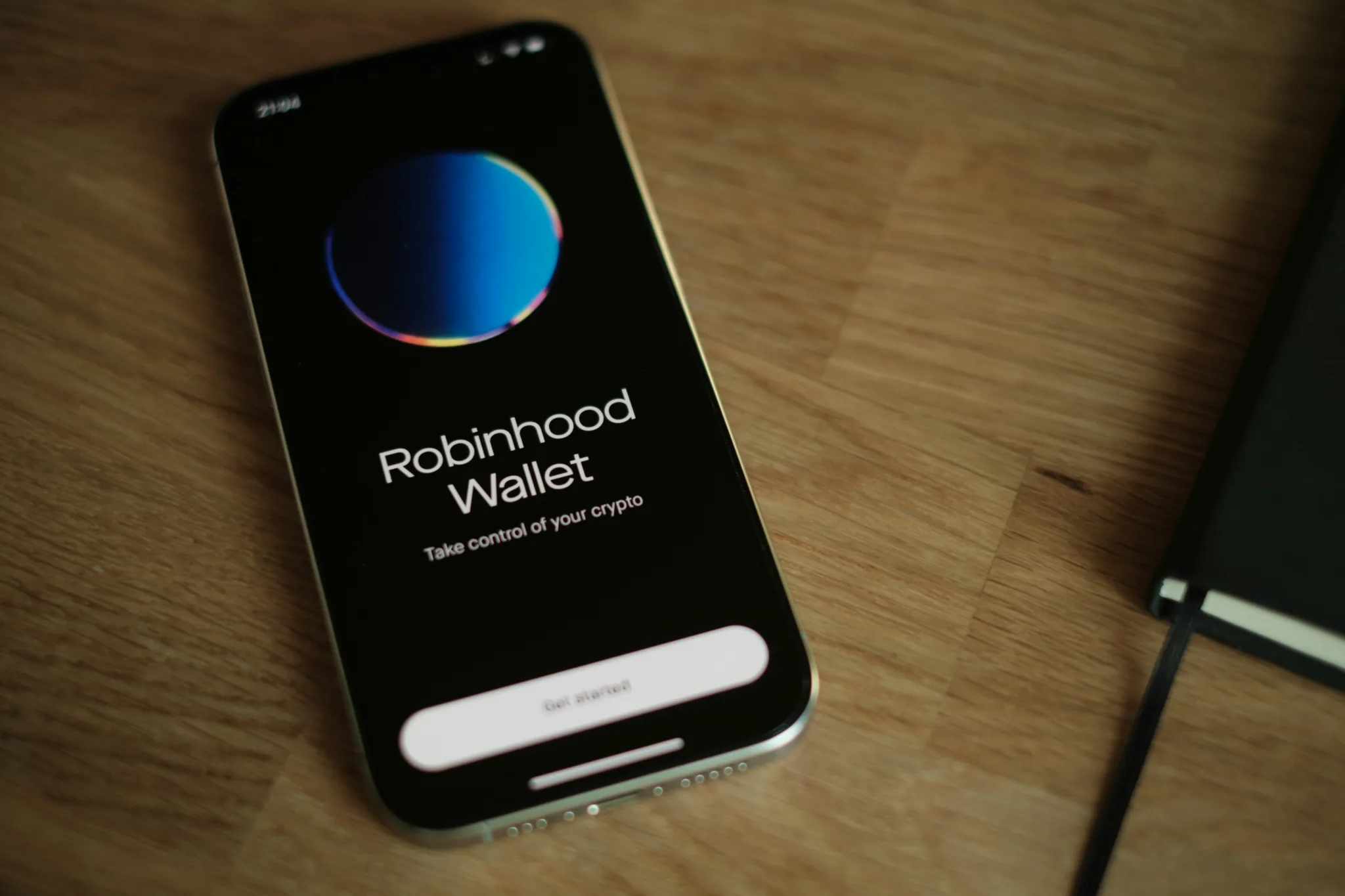
Few companies have disrupted the world of investing as visibly as Robinhood. Founded with the mission of democratising finance for all, it helped usher in commission-free trading, mobile-first design, and a new generation of retail investors. Robinhood has become both a cultural phenomenon and a lightning rod for debates around market access, financial literacy, and the responsibilities of fintech platforms.
In this review, we explore Robinhood’s origins, product suite, business model, strengths, challenges, and its role in embedding financial services within the broader digital economy.
Origins and Mission
Robinhood was founded in 2013 by Vlad Tenev and Baiju Bhatt, two Stanford graduates with experience in building trading infrastructure for Wall Street firms. They observed that while professional institutions traded at very low cost, retail investors still faced steep commissions.
Their mission to “democratise finance for all” was simple yet powerful. By eliminating trading fees and designing an intuitive mobile app, Robinhood sought to give ordinary people access to financial markets once dominated by professionals.
The app launched in 2015 and quickly attracted a new wave of younger, mobile-native investors.
The pillars that redefined the retail trading experience on Robinhood.
Commission-Free Trading
Robinhood pioneered commission-free trading for stocks and ETFs. The move forced incumbents like Schwab and E*TRADE to follow suit, reshaping the industry.
Options and Crypto
The platform expanded into options and cryptocurrency, giving users access to riskier but popular markets without leaving the app.
Fractional Shares
Fractional investing lets users buy parts of expensive stocks like Amazon or Tesla, making high-priced equities accessible to smaller investors.
Cash Management
Interest-bearing accounts and debit cards brought banking-like features into Robinhood, embedding everyday financial use into the app.
Simple User Experience
The app’s clean design and fast onboarding made trading simple and engaging. Critics note it can also encourage impulsive behavior.
Product Expansion

Robinhood has gradually expanded its suite of financial services.
- Robinhood Gold: A premium subscription offering margin trading, larger instant deposits, and research.
- Retirement Accounts: Launch of individual retirement accounts with matching contributions to encourage long-term investing.
- Recurring Investments: Automated investing tools that enable dollar-cost averaging.
- Wallets for Crypto: Introduction of crypto wallets that allow users to transfer digital assets in and out of the platform.
These features move Robinhood closer to being a financial super-app rather than a pure trading platform.
Business Model
Robinhood generates revenue primarily through:
- Payment for Order Flow (PFOF): Market makers pay Robinhood for routing customer orders to them. This practice allows commission-free trading but has drawn scrutiny over conflicts of interest.
- Interest on Cash: Earnings from idle customer balances.
- Robinhood Gold: Subscription fees from premium users.
- Margin Lending: Interest charged on borrowed funds.
- Other Services: Debit card interchange fees and crypto trading spreads.
This diversified model enables free trading but has also made Robinhood dependent on high trading volumes.
Robinhood and Financial Democratisation
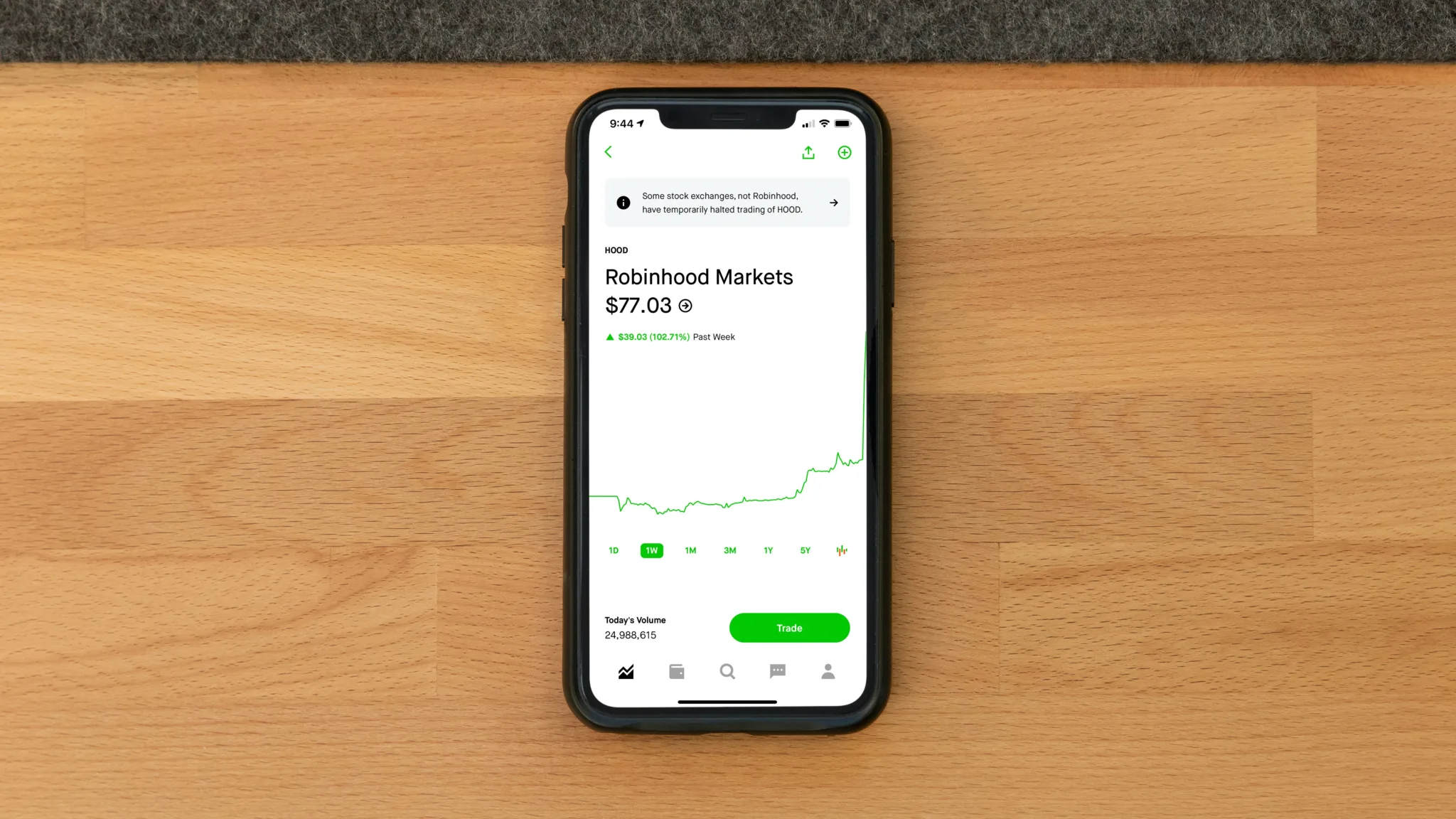
Robinhood’s core contribution is lowering the barriers to entry for investing. Millions of first-time investors opened accounts, often with modest balances. During the pandemic, Robinhood became the platform of choice for retail traders engaging with volatile stocks and cryptocurrencies.
By embedding financial services such as cash management, fractional shares, and recurring investments, Robinhood positions itself not just as a trading app but as a broader financial hub for retail investors.
Controversies and Criticisms
Robinhood’s meteoric rise has been accompanied by significant controversies.
GameStop and Meme Stocks
In early 2021, Robinhood became the focal point of the GameStop trading frenzy. When the platform restricted trading on several volatile stocks due to collateral requirements, users accused it of siding with Wall Street. The event drew scrutiny from regulators and politicians.
Payment for Order Flow
PFOF has been criticised for potential conflicts of interest. While it enables free trading, critics argue that it may compromise best execution for customers. Regulators continue to evaluate whether tighter rules are needed.
Gamification and Risk
The app’s interface, with confetti animations and simplified options trading, was accused of gamifying investing and encouraging risky behaviour among inexperienced users.
System Outages
Technical outages during periods of high market volatility left users unable to trade, damaging trust.
Regulatory Landscape
Robinhood’s business model sits at the intersection of innovation and regulatory complexity.
- In the US, the Securities and Exchange Commission (SEC) continues to examine payment for order flow and gamification.
- In Europe, Robinhood has explored expansion, but regulatory requirements around investor protection are stricter.
- Globally, its role as both a broker and a crypto platform places it under increasing scrutiny as rules for digital assets evolve.
Robinhood must navigate these challenges to maintain growth while protecting its brand.
Strengths
Robinhood has several clear strengths that underpin its success:
- Brand Recognition: Synonymous with commission-free trading.
- User Growth: Millions of mostly younger investors onboarded, creating a new generation of market participants.
- Product Innovation: Fractional shares, crypto integration, and retirement matching.
- Network Effects: The community of retail traders and cultural relevance reinforce user acquisition.
Weaknesses
However, Robinhood faces weaknesses that could hinder its long-term trajectory:
- Reputation Damage: From controversies and outages.
- Revenue Dependence: Heavy reliance on trading activity and PFOF.
- Limited Advisory Services: No hybrid or full financial planning compared to competitors like Betterment or Vanguard.
- Trust Issues: Some users view Robinhood as prioritising growth over investor protection.
Robinhood vs Competitors
How Robinhood stacks up against rivals in 2025
| Platform | Core Positioning | Main Features | Revenue Model | Differentiators |
|---|---|---|---|---|
| Robinhood | Mobile-firstRetail focus | Free stock tradingOptionsCryptoFractional shares | PFOF, subscriptions, margin lending, cash interest | Simplicity, fractional investing, cultural relevance |
| WeBull | Trading appGlobal reach | StocksOptionsCryptoExtended hours | PFOF, margin lending | Advanced charting, global markets, active traders |
| Public.com | Social investingCommunity-first | StocksETFsAlternative assets | Tipping, optional fees, data services | Social feed, transparent model, community engagement |
| Fidelity | Incumbent brokerFull-service | StocksFundsAdvisoryRetirement | Advisory fees, fund management, services | Trusted brand, full product suite, hybrid advice |
| Charles Schwab | Incumbent brokerLow-cost | StocksFundsAdvisory | Advisory fees, services, fund revenues | Branches, research tools, retirement services |
| Vanguard | Index leaderLong-term focus | FundsRetirementLow-cost trading | Fund management, advisory fees | Ultra-low fees, brand trust, retirement alignment |
| SoFi | Super-appBank + Invest | StocksETFsCryptoLoans | Interest, lending, interchange | Cross-selling, member benefits, all-in-one ecosystem |
Robinhood in the Embedded Finance Landscape

Beyond trading, Robinhood is part of the broader embedded finance story. By integrating investing, cash management, and crypto in one platform, it blurs the line between brokerage, bank, and fintech super-app.
This embedding of financial services reflects larger trends:
- Trading embedded into everyday apps.
- Banking and payments built into investment platforms.
- Multi-product ecosystems where financial tools reinforce each other.
Robinhood demonstrates how embedded finance can scale to millions of retail users when paired with a compelling brand and intuitive design.
Looking Ahead
Robinhood’s future will depend on balancing innovation with responsibility. Key questions include:
- Can it expand beyond trading into full financial wellness tools?
- Will it reduce dependence on payment for order flow if regulations tighten?
- How will it differentiate from traditional firms offering free trading plus advisory depth?
- Can it rebuild trust after controversies?
Its path forward will require evolving from a disruptor into a mature, diversified financial services provider.
Robinhood has redefined retail investing. Its impact on commission-free trading, mobile-first access, and the rise of retail investors cannot be overstated. By embedding financial services into a simple app, it created a new model for how individuals engage with money and markets.
Yet democratisation comes with responsibility. Robinhood must show it can protect and educate users, build sustainable revenue streams, and navigate regulation. If it succeeds, it will remain a defining fintech of its era. If not, it risks being remembered as a disruptor that struggled with its own success.
Either way, Robinhood’s story illustrates the power, and the complexity, of embedding financial services into digital platforms.