
Recently, Santander unveiled a detailed report on the future of UK payments. The report, with its emphasis on curbing payment fraud, suggests potential solutions like bank-issued stablecoins and tokenized deposits. Over 3,500 participants’ data support these proposed solutions.
The report uses a diverse set of data sources. These include feedback from 3,022 adults, 501 finance decision-makers from small and medium-sized enterprises (SMEs), and 14 in-depth interviews. A London citizens’ jury on crypto and the digital world also contributed valuable insights to the report.
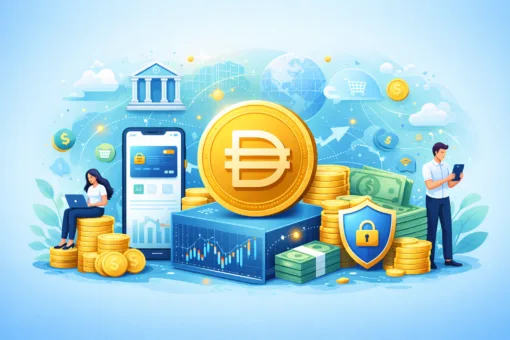
As digital currencies gain global momentum, the report brings up the idea of bank-issued stablecoins. Unlike volatile cryptocurrencies like Bitcoin, stablecoins tie to a reserve of stable assets, often national currencies like the dollar or euro. This connection effectively reduces their volatility, making them a safer option for everyday transactions and large-scale investments.
Tackling Payment Fraud Concerns
The report acknowledges the rising concerns about payment fraud while advocating for stablecoins and tokenized deposits. The digital revolution in finance has triggered an increase in online fraud threats, sparking significant concern for individuals and businesses.
In this context, Santander‘s report highlights the need for secure digital payment solutions. The suggested bank-issued stablecoins and tokenized deposits could add a new layer of security thanks to the inherent transparency and traceability of blockchain-based transactions.
Moreover, tokenized deposits could pave the way for more secure and efficient transactions. By representing a deposit with a digital token, banks can accurately track fund movements. This practice could potentially reduce fraud risk, as each transaction would have a clear, immutable record.
However, it’s crucial to note that these promising solutions would require substantial changes to the existing financial infrastructure. Despite this, the report represents a significant step towards understanding the future of payments and addressing the urgent problem of payment fraud.