The United States has been the epicenter of fintech innovation for more than a decade. From digital payments and online lending to blockchain and wealth management, American fintech companies have transformed the way people and businesses interact with money. They have become global trendsetters, raising billions in funding and shaping the broader financial services industry.
This article highlights the top 10 fintechs in the USA that are redefining finance. These companies are not just startups anymore. Many have become household names, while others quietly dominate their niche markets. Together, they represent the diversity and strength of American fintech.
1. Stripe
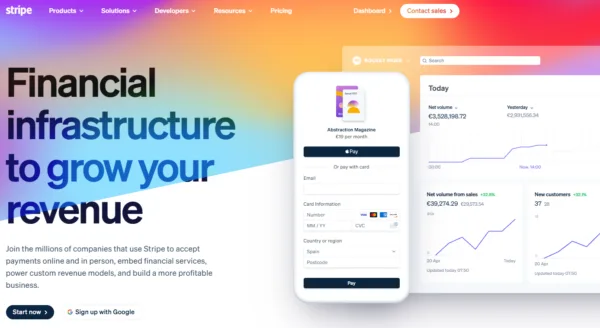
Stripe is one of the most influential fintech companies in the world. Founded in 2010 by Patrick and John Collison, it started with a simple mission: make it easy for businesses to accept payments online. The company now powers millions of online transactions globally, from small startups to giants like Amazon and Shopify.
What makes Stripe stand out is its developer-first approach. Its APIs allow companies to integrate payments into websites and apps with minimal effort. Over time, it has expanded into fraud prevention, business financing, and global payments infrastructure. Stripe has also built Stripe Atlas, a service that helps entrepreneurs incorporate companies and set up banking quickly.
With a valuation once above $90 billion, Stripe has become a cornerstone of the digital economy. Its global presence and constant product expansion show why it remains the benchmark for fintech innovation.
2. PayPal
PayPal may be one of the oldest fintechs, but it remains central to the modern payments ecosystem. Founded in 1998, it helped pioneer online transactions long before digital wallets became mainstream. Today, it has more than 400 million active users worldwide.
PayPal’s biggest strength lies in trust and ubiquity. It is accepted by millions of merchants globally, giving it unmatched reach. The company has expanded well beyond its original peer-to-peer payments model. Services such as Venmo, PayPal Credit, and Braintree give it a diversified portfolio of consumer and merchant offerings.
In recent years, PayPal has moved aggressively into cryptocurrency by allowing users to buy, hold, and sell digital assets on its platform. While it faces competition from newer players, its established brand and ability to evolve keep it at the forefront of fintech.
3. Robinhood

Robinhood brought stock trading to the masses. By eliminating commission fees and offering a sleek mobile experience, it disrupted traditional brokerages and reshaped retail investing. Its rise also fueled the broader trend of democratising finance through apps.
The company has not been without controversy, particularly during the 2021 “meme stock” frenzy. Yet Robinhood has weathered regulatory scrutiny and continues to grow. Beyond equities, it now offers crypto trading, cash management services, and retirement accounts.
What makes Robinhood important is not only its technology, but also the cultural impact it had on investing. It turned millions of young Americans into investors for the first time. Despite critics, Robinhood remains one of the most recognised fintech brands in the country.
4. Coinbase
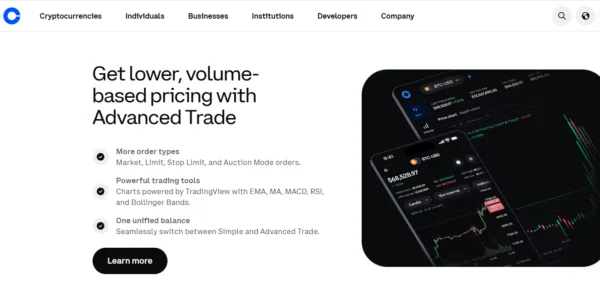
Coinbase is the leading American cryptocurrency exchange. Founded in 2012, it made buying Bitcoin as simple as downloading an app. Since then, it has grown into a publicly traded company with millions of users worldwide.
The platform supports trading in dozens of cryptocurrencies, along with staking, custody services, and a growing set of Web3 tools. Coinbase has positioned itself as a trusted entry point into digital assets, emphasising compliance and user security in a sector often criticised for volatility and fraud.
Its role in mainstreaming crypto cannot be overstated. By bridging traditional finance and blockchain, Coinbase gave millions of people their first exposure to digital currencies. As regulation around crypto tightens, Coinbase is likely to remain at the center of the debate.
5. Square

Founded by Jack Dorsey and Jim McKelvey, Square began by helping small businesses accept card payments through its simple card reader. Today, as Block, Inc., it has become a multi-faceted fintech ecosystem.
Its Square unit remains vital for merchants, offering point-of-sale systems, payroll tools, and business financing. Meanwhile, its Cash App has exploded in popularity as a peer-to-peer payment platform, with features ranging from stock and bitcoin trading to direct deposits.
Block also invests heavily in blockchain and decentralised finance. By combining consumer and merchant services, it has built a unique two-sided ecosystem. Few fintechs have managed to balance such broad ambitions successfully, making Block one of the most important players in the space.
6. Chime

Chime is the poster child for American neobanks. Founded in 2013, it offers checking and savings accounts with no monthly fees, early direct deposit, and simple budgeting features. By targeting younger consumers and the underbanked, it has attracted millions of users.
Chime is not technically a bank (. Instead, it partners with regulated banks to provide accounts while focusing on customer experience and digital innovation. Its model emphasises transparency, mobile convenience, and financial inclusion.
While competition among digital banks has intensified, Chime’s scale gives it a strong advantage. It has shown that Americans are ready to move beyond traditional banks, as long as they are offered user-friendly, low-cost alternatives.
7. Plaid
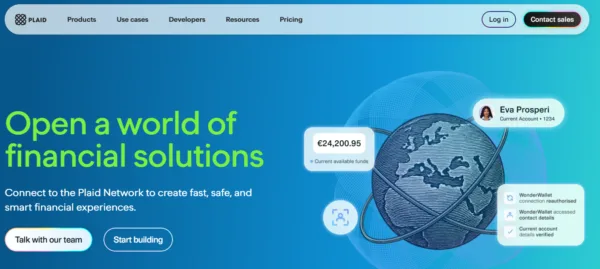
Plaid is the invisible infrastructure powering much of fintech. Founded in 2013, it provides APIs that connect consumer bank accounts to apps like Venmo, Robinhood, and Coinbase. By enabling secure data sharing, Plaid has become the backbone of financial connectivity.
The company’s technology allows fintechs to verify account ownership, track balances, and facilitate payments without building direct integrations with hundreds of banks. This saves startups enormous time and resources.
Plaid nearly merged with Visa in a $5.3 billion acquisition that was later blocked by regulators. Since then, it has continued to grow independently, expanding into Europe and broadening its product set. Its role as an enabler makes it indispensable to the American fintech ecosystem.
8. Affirm

Affirm is a leader in the “buy now, pay later” (BNPL) space. Founded by Max Levchin, one of PayPal’s co-founders, Affirm offers consumers installment loans at the point of sale. Unlike credit cards, its model emphasises transparency by showing users exactly what they will pay upfront.
The company partners with major retailers such as Amazon and Shopify, giving it significant reach. BNPL has become controversial due to concerns about consumer debt, but Affirm positions itself as a more responsible alternative by avoiding hidden fees and compounding interest.
With younger generations favoring flexible payment options, Affirm has become a major player in consumer credit. Its challenge now is to prove long-term profitability while expanding responsibly.
9. SoFi
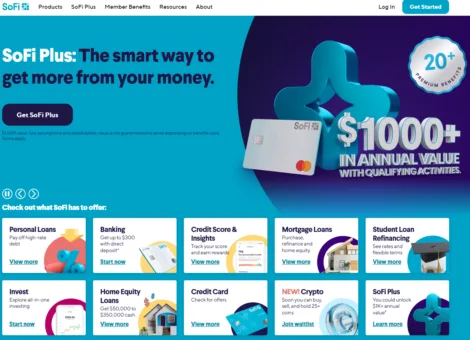
SoFi started as a student loan refinancing company but has transformed into a broad personal finance platform. Today, it offers everything from mortgages and personal loans to stock trading, credit cards, and banking.
Its mobile app serves as a one-stop shop for financial needs, appealing to millennials and Gen Z consumers looking for convenience. In 2022, SoFi received a national bank charter, allowing it to operate more like a traditional bank while keeping its fintech agility.
SoFi has also built a strong brand through marketing, including naming rights to the Los Angeles Rams’ stadium. By combining lending, investing, and banking, it is building one of the most comprehensive fintech ecosystems in the USA.
10. Brex
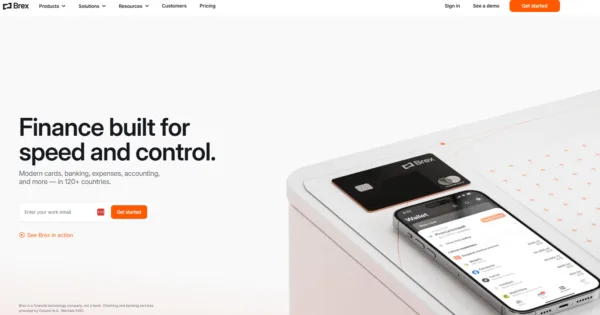
Brex is a fintech focused on business customers, particularly startups and growing companies. It began by offering corporate credit cards tailored for startups, with higher limits and no personal guarantees. Since then, it has expanded into cash management, expense tracking, and financial planning tools.
The company’s value proposition lies in understanding the unique needs of startups. By integrating accounting, expense management, and banking tools, Brex helps high-growth companies manage money more efficiently.
Brex also demonstrates how fintech is not only about consumer finance but also about transforming how businesses operate. Its shift toward serving larger enterprises shows its ambition to scale beyond the startup niche.
Why These 10 Stand Out
The USA is home to thousands of fintech companies, yet these ten stand out for their scale, innovation, and influence. They cover nearly every corner of finance: payments, investing, banking, crypto, lending, and infrastructure.
Several themes emerge when looking at them together:
- Democratisation of finance: Companies like Robinhood, Chime, and SoFi have opened up access to investing and banking for millions who were previously underserved.
- Infrastructure powerhouses: Stripe and Plaid show how building the rails of fintech can be as valuable as consumer apps.
- Integration of crypto: Coinbase, Block, and PayPal are bridging the gap between traditional finance and blockchain.
- Alternative credit: Affirm and Brex illustrate new ways of thinking about lending, from consumer credit to business financing.
These companies are not just reacting to trends, they are shaping them.
The Future of Fintech in the USA
American fintech still faces challenges. Regulation is becoming stricter, especially around cryptocurrency and lending. Competition is intense, with traditional banks also adopting digital strategies. Profitability remains a hurdle for many startups.
Yet the opportunities are vast. Open banking, artificial intelligence, embedded finance, and decentralised finance are all areas where American fintechs are pushing forward. The companies listed here are well-positioned to capitalise on these shifts.
The top 10 fintechs in the USA highlight how far the industry has come in just over a decade. They also show that the story of fintech is still being written. As technology, regulation, and consumer expectations evolve, these firms will continue to play a central role in defining the future of money.