
Stablecoins have become one of the core building blocks of digital finance. Designed to maintain a stable value, most commonly pegged to the US dollar or the euro, they act as the connective layer between traditional financial systems and blockchain-based infrastructure. By 2026, stablecoins are no longer limited to crypto trading. They underpin payments, remittances, decentralised finance, tokenised assets, and cross-border settlement.
The market has evolved significantly from its early concentration around a single issuer. Regulatory frameworks now shape issuance and reserve management, especially in Europe under MiCA and in the United States through emerging federal legislation. Financial institutions are increasingly involved, while central banks continue to assess how stablecoins interact with future digital currencies.
This article reviews the top stablecoins in 2026, analysing their structure, adoption, regulatory positioning, and long-term relevance.
1. Tether (USDT)
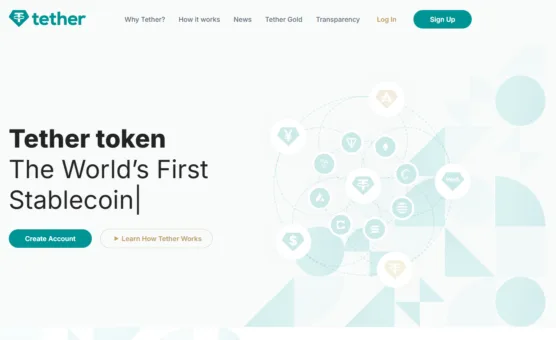
Tether remains the largest stablecoin by market capitalisation in 2026. Pegged to the US dollar, USDT continues to dominate liquidity across centralised exchanges, decentralised protocols, and cross-chain infrastructure.
Its scale makes it a critical settlement asset in both developed and emerging markets. In regions with limited access to US banking, USDT often functions as a digital substitute for dollars.
Key characteristics include diversified reserve backing, broad exchange integration, and deep on-chain liquidity.
Its main challenge remains regulatory scrutiny, particularly around disclosures and jurisdictional compliance.
2. USD Coin (USDC)

USDC is the second-largest stablecoin and the preferred option for many institutional users. Issued by Circle and closely aligned with regulated financial infrastructure, USDC positions itself as a compliance-first stablecoin.
It is fully backed by cash and short-dated US Treasuries, with regular reserve attestations. USDC plays a growing role in payments, fintech platforms, and tokenised asset settlement.
Its main limitation is reduced dominance in DeFi compared to earlier cycles, as liquidity fragments across chains and protocols.
3. DAI
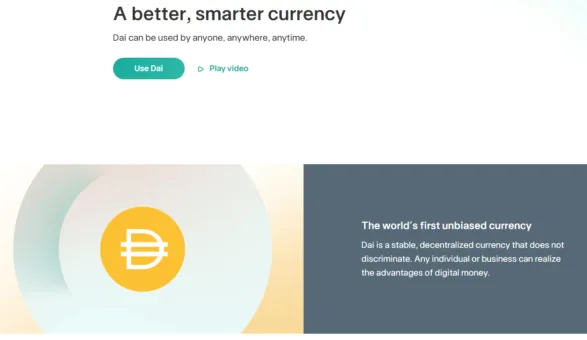
DAI remains the leading decentralised stablecoin in 2026. Governed by MakerDAO, it uses an overcollateralised model backed by crypto assets and an increasing share of real-world assets.
DAI is deeply embedded in DeFi lending, borrowing, and liquidity markets. Its design prioritises resilience and censorship resistance rather than simplicity.
Governance complexity and regulatory treatment of underlying collateral continue to be its main long-term considerations.
4. PayPal USD (PYUSD)

PayPal’s stablecoin has expanded steadily since launch. Issued by Paxos, PYUSD benefits from direct integration into PayPal and Venmo, giving it instant access to consumers and merchants.
Its primary use cases sit at the intersection of traditional payments and Web3. PYUSD is widely trusted but remains less prominent in DeFi than crypto-native stablecoins.
Distribution is its key advantage, while ecosystem depth remains its main constraint.
5. Binance-Linked Stablecoin Ecosystem
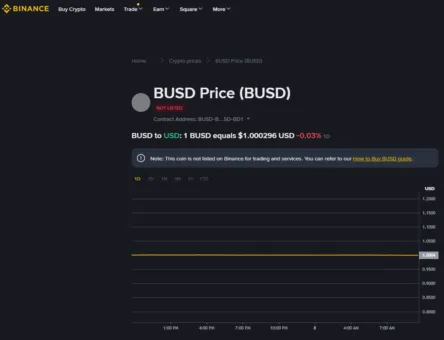
Following the wind-down of BUSD, Binance now relies on a network of third-party regulated stablecoins. These assets are integrated into Binance’s trading, payments, and settlement infrastructure.
The strategy reduces regulatory risk while preserving liquidity dominance across Binance platforms.
The challenge lies in managing regulatory approval across multiple jurisdictions simultaneously.
6. TrueUSD (TUSD)

TrueUSD positions itself as a transparency-focused alternative. Fully collateralised and independently attested, it serves as a reliable trading and settlement asset across several exchanges.
While its scale remains smaller than market leaders, TUSD appeals to users prioritising reserve clarity and regulatory alignment.
Brand visibility remains its primary limitation.
7. First Digital USD (FDUSD)
FDUSD has seen strong growth in Asia, supported by Hong Kong’s evolving regulatory framework. Backed by fiat reserves and promoted through regional trading platforms, it reflects Asia’s increasing influence in stablecoin adoption.
Scaling beyond regional markets is the next test for FDUSD.
8. EUROe
EUROe represents Europe’s push towards regulated euro-denominated stablecoins under MiCA. Fully backed by euro deposits, it supports payments, remittances, and DeFi use cases within the eurozone.
Liquidity remains lower than dollar-based peers, but regulatory certainty is a major advantage.
9. Gemini Dollar (GUSD)
Issued by Gemini, GUSD maintains relevance through strict compliance and transparent reserve management. It is commonly used in institutional and compliance-heavy environments.
Its narrower ecosystem limits broader adoption.
10. Monerium EURe and Similar Regulated Stablecoins
The final group includes regulated, region-specific stablecoins such as EURe. These assets focus on payments and enterprise use cases rather than speculative liquidity.
They play a strategic role in demonstrating how stablecoins can integrate with traditional financial regulation.
Stablecoins Beyond the Top Tier
Outside the leading group, niche stablecoins linked to commodities, local currencies, or experimental designs continue to emerge. However, market confidence now strongly favours fully collateralised and transparent models following past failures in algorithmic designs.
Regulation as the Defining Factor
By 2026, regulation has become the primary differentiator. MiCA in Europe, progress towards federal legislation in the US, and structured frameworks in Asia are shaping issuer behaviour, reserve design, and market access.
Stablecoins without regulatory clarity increasingly struggle to achieve scale.
Key Use Cases Driving Adoption
Stablecoin growth is now driven by real economic activity:
- Cross-border payments and remittances
- DeFi lending and liquidity markets
- Merchant payments and fintech integration
- Tokenised securities and real-world assets
- Digital dollar access in high-inflation economies
Risks That Still Matter
Despite maturity, risks remain. These include reserve opacity, jurisdictional fragmentation, market concentration around dollar pegs, and systemic exposure within DeFi ecosystems.
A major de-pegging event would still have wide-reaching consequences.
The Outlook for Stablecoins
The next phase of stablecoin development will deepen integration with traditional finance. Banks, payment networks, and asset managers are increasingly involved. Stablecoins are also becoming core settlement assets for tokenised markets.
Central bank digital currencies may coexist with private stablecoins, but private issuance remains dominant for now.
Conclusion
By 2026, stablecoins are no longer an experimental layer of crypto markets. They are foundational financial infrastructure. The leading stablecoins reflect different trade-offs between scale, compliance, decentralisation, and regional focus.
Their role in payments, finance, and digital asset markets continues to expand. Stablecoins are now central to how value moves globally, not just within crypto, but across the broader financial system.