
Digital collectibles are unique digital assets that individuals can buy, own, trade, and display online, with ownership verified through blockchain technology. Unlike ordinary digital files that can be copied infinitely, digital collectibles are designed to be scarce, traceable, and transferable.
In practical terms, a digital collectible is a digital item whose ownership is recorded on a decentralised ledger. This ledger ensures that the asset cannot be duplicated in a way that undermines authenticity. Most digital collectibles are created as NFTs, short for non-fungible tokens, but the broader concept includes any digitally native asset that is scarce and individually identifiable.
Digital collectibles sit at the intersection of technology, culture, and finance. To fully understand them, it is essential to explore their technical foundations, economic logic, categories, use cases, risks, and long-term implications.
The Core Characteristics of Digital Collectibles
Digital collectibles differ from traditional digital files in four fundamental ways:
- Scarcity
The number of tokens can be capped by smart contract code. - Verifiable ownership
Ownership is publicly recorded on a blockchain. - Transferability
Assets can be transferred peer-to-peer without intermediaries. - Programmability
Creators can embed rules such as royalties directly into the token.
This last characteristic is particularly transformative. Unlike physical collectibles, digital collectibles can automatically pay creators a percentage of future resale transactions.
Most digital collectibles are issued on blockchain platforms such as Ethereum or Solana. These networks allow developers to create non-fungible tokens, meaning each token is distinct and cannot be exchanged one-for-one like standard cryptocurrencies.
By contrast, Bitcoin is fungible. One Bitcoin is identical to another. Digital collectibles are non-fungible, which is what makes them collectible.
The Technology Behind Digital Collectibles

Digital collectibles rely on smart contracts. A smart contract is a self-executing piece of code deployed on a blockchain. It defines:
- The total supply
- Ownership tracking
- Transfer rules
- Royalty percentages
- Metadata storage
Metadata typically contains information about the asset, such as an image file, animation, or descriptive attributes.
When a user purchases a digital collectible, the token is transferred to their crypto wallet. Wallets such as MetaMask hold the private keys that allow the user to control the asset.
The blockchain records:
- The contract address
- The token ID
- The current owner’s address
- The transaction history
This transparent audit trail establishes authenticity.
Categories of Digital Collectibles
Digital collectibles are not limited to digital art. They span multiple industries.
1. Digital Art
Digital artists mint limited-edition works as NFTs. Buyers acquire ownership of the token representing the artwork.
Marketplaces such as OpenSea allow collectors to browse and trade digital art globally.
A landmark moment occurred when Beeple sold an NFT artwork at a major auction house, signalling institutional interest in blockchain-backed digital ownership.
2. Gaming Assets
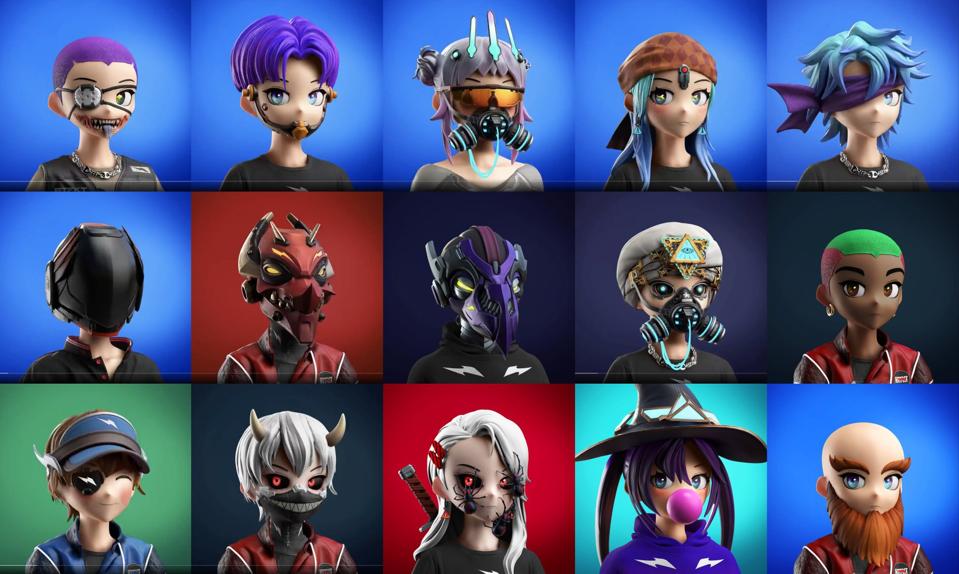
Blockchain-based games allow players to own in-game items. These might include:
- Characters
- Skins
- Weapons
- Virtual land
Unlike traditional gaming ecosystems, these items can often be sold outside the game platform, giving players real ownership.
3. Sports Collectibles
Sports leagues have issued digital highlight clips as tradable collectibles. For example, NBA launched a digital collectible platform where fans can own specific moments from games.
These function similarly to trading cards, but in digital form.
4. Virtual Real Estate
In virtual worlds such as Decentraland, users can purchase parcels of digital land.
Owners may:
- Build virtual spaces
- Host events
- Advertise brands
- Resell property
This introduces the concept of digital property rights within immersive environments.
5. Access and Membership Tokens
Some digital collectibles function as membership passes. Ownership may grant access to:
- Private communities
- Events
- Exclusive content
- Product drops
This shifts collectibles from passive assets to utility-driven instruments.
Why Digital Collectibles Have Value

Value in digital collectibles emerges from several factors.
Scarcity
Limited supply can create demand pressure, especially if the project gains cultural relevance.
Community
Successful projects often cultivate strong online communities. Social engagement can reinforce demand and signal belonging.
Cultural Significance
Digital collectibles may represent artistic movements, internet culture, or brand collaborations.
Utility
Tokens that provide access or in-game functionality can maintain demand beyond speculation.
Speculation
Market participants may buy with the expectation of price appreciation.
These drivers can reinforce each other, but they can also unravel quickly during market downturns.
Economic and Financial Dimensions
Digital collectibles introduced new economic models for creators.
Traditional digital artists rely on one-time sales or platform-controlled monetisation. NFTs enable:
- Direct sales to collectors
- Automatic resale royalties
- Global reach without intermediaries
For collectors, digital collectibles can function as:
- Speculative assets
- Portfolio diversification tools
- Cultural investments
However, unlike traditional financial instruments, valuation is highly subjective and sentiment-driven.
Risks Associated with Digital Collectibles
Digital collectibles carry substantial risks.
Market Volatility
Prices can fluctuate dramatically based on hype cycles.
Illiquidity
Many assets have thin trading volumes.
Regulatory Uncertainty
Regulators continue to assess whether certain NFTs constitute securities.
Platform Dependence
Marketplaces and hosting services can influence visibility and liquidity.
Intellectual Property Confusion
Owning a token does not necessarily grant copyright ownership. Buyers must review the licensing terms attached to each collectible.
Risk management requires understanding both technical and market dynamics.
Environmental Considerations

Early NFT activity occurred on proof-of-work blockchains, raising concerns about energy consumption. However, major networks such as Ethereum transitioned to proof-of-stake, significantly reducing energy usage.
Environmental criticism has therefore moderated, though public perception remains mixed.
The Broader Strategic Implications
Digital collectibles may represent an early step toward broader digital ownership infrastructure.
Potential long-term developments include:
- Tokenised real-world assets
- Digital identity credentials
- Brand loyalty programmes on blockchain
- Creator-driven micro-economies
- Interoperable gaming assets
Brands have experimented with NFT-based engagement strategies, linking digital collectibles to physical merchandise or exclusive experiences.
The underlying innovation is not merely about art or speculation. It is about programmable digital property.
Digital Collectibles Versus Traditional Collectibles

Both physical and digital collectibles rely on scarcity and demand. However, digital collectibles introduce advantages:
- Instant global transfer
- Transparent ownership verification
- Embedded royalties
- Potential fractional ownership
- Integration into digital ecosystems
At the same time, they lack physical tangibility and depend on technological infrastructure.
Are Digital Collectibles a Bubble or Structural Shift?
Speculative bubbles have occurred within NFT markets. Rapid price increases followed by sharp corrections highlight the immature nature of the sector.
However, speculative volatility does not invalidate the underlying technology. Many transformative technologies experience boom-and-bust cycles during early adoption phases.
Digital collectibles may ultimately become embedded within gaming, entertainment, and online commerce rather than existing as standalone speculative markets.
Final Definition
A digital collectible is a unique, blockchain-based digital asset that provides verifiable ownership, programmed scarcity, and transferability. Most digital collectibles are issued as NFTs and can represent art, gaming assets, media, virtual property, or membership rights.
They combine cryptography, decentralised networks, and digital culture to redefine ownership in online environments.
Understanding digital collectibles requires more than recognising them as trendy assets. It requires examining how blockchain technology enables digital scarcity, how communities assign value, how creators monetise their work, and how regulatory frameworks evolve.
Digital collectibles are still developing, but they represent a meaningful innovation in how digital goods are owned, exchanged, and valued in a connected world.